

The Healing Power of Reishi Mushrooms in 18 Recipes
Reishi mushrooms (Ganoderma lucidum) have been called the "mushroom of immortality" — and while that's a lofty title, this medicinal mushroom has a genuinely impressive body of research behind it. Known as lingzhi or mannentake in Japanese tradition, and as one of the most revered Chinese medicinal mushrooms in Traditional Chinese Medicine's two-thousand-year pharmacopeia, Reishi is now backed by modern science across multiple health outcomes.
The challenge: you can't really eat it straight. Raw Reishi has a cork-like texture and intensely bitter flavor — a product of its high ganoderic acids and triterpenes content. The solution is preparation: decoction, extraction, powder, or incorporating a high-quality reishi mushroom powder or reishi extract into recipes that work with its earthy, slightly bitter profile rather than against it.
Below are 18 recipes — foods and beverages — that make Reishi genuinely enjoyable while delivering its full range of bioactive compounds.
A Quick Overview: Why Reishi?
Before the recipes, the briefest version of the evidence. Modern research has confirmed what Traditional Chinese Medicine practitioners understood for centuries: Ganoderma lucidum (also known as Ganoderma lingzhi or Ganoderma tsugae depending on species and region) is one of the most pharmacologically rich functional mushrooms available.
- Sleep: Studies have found that Reishi can promote restful sleep, likely through its effect on the central nervous system and its role as one of the more genuinely calming adaptogens (1).
- Anti-inflammatory and antiviral: The triterpenes and ganoderic acids in Reishi — the same compounds responsible for its bitterness — have documented anti-inflammatory and antiviral properties (2).
- Blood pressure: Specific peptides in Reishi have been shown to reduce hypotension in some people (3).
- Cholesterol levels: Beta-glucans in Reishi have demonstrated cholesterol-lowering effects in multiple studies (4).
- Immune and cancer support: The polysaccharides in Reishi — including the compound Ganopoly — have antioxidant effects on the immune system and have been studied in cancer treatment contexts (5).
The key is getting these compounds into a bioavailable form. Hot water extraction is the standard method for activating Reishi's water-soluble polysaccharides and beta-glucans. Alcohol extraction is needed for the fat-soluble triterpenes and ganoderic acids. When using reishi mushroom powder or reishi extract in recipes, opt for a dual-extracted product whenever possible. Here's why extraction method matters.
If you're using fresh or dried reishi mushroom directly in recipes, steep it in hot water for at least an hour — this is a decoction and the minimum needed to break down cell walls and release the water-soluble compounds.
Naturealm Reishi Tincture — dual extracted from a California small family farm. Add directly to any of these recipes.
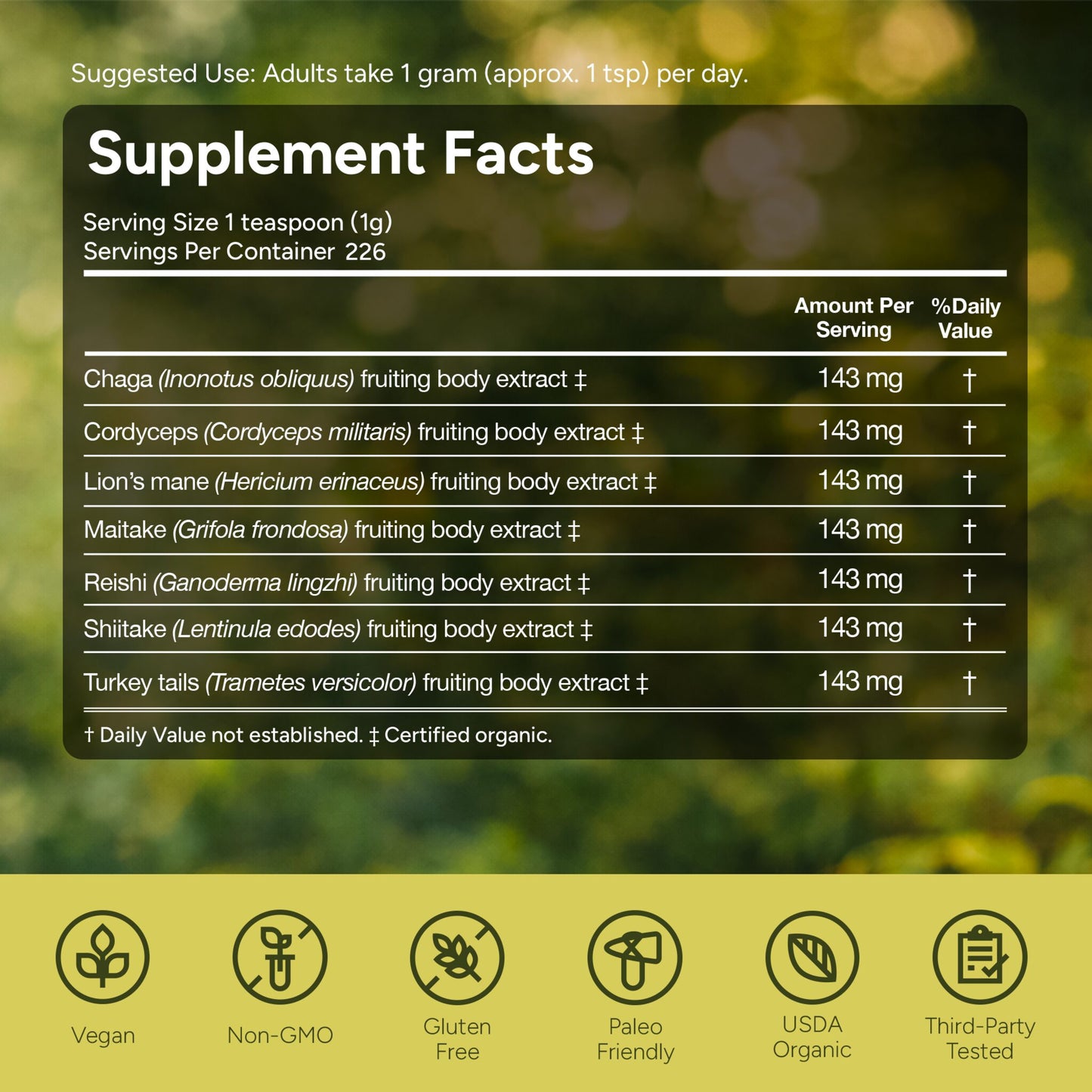
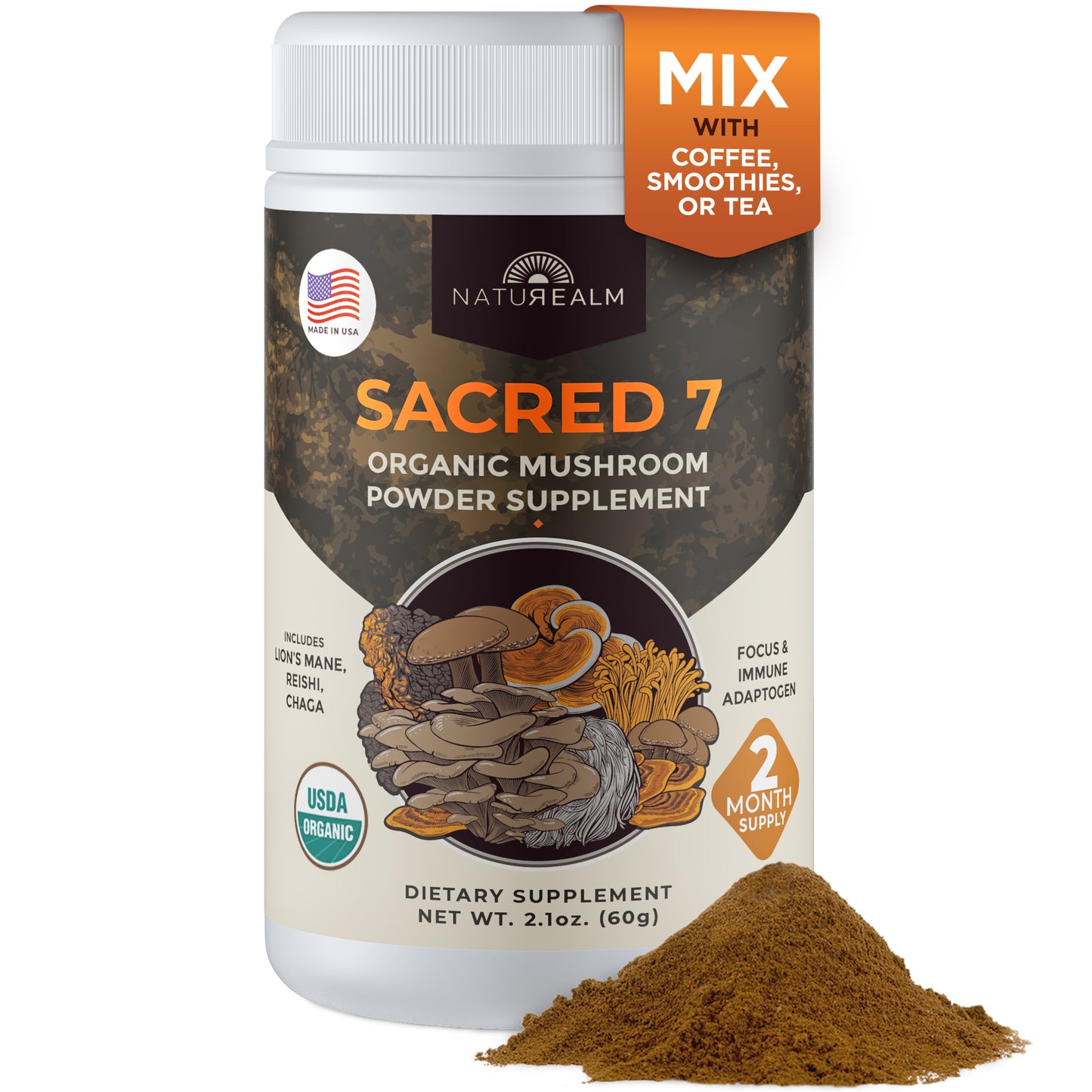
Shop Reishi Tincture Shop Sacred 7 (includes Reishi)Reishi Food Recipes
1. Reishi Protein Brownie Bites
Reishi pairs exceptionally well with chocolate — the bitterness of the ganoderic acids is absorbed and rounded out by cacao's own bitterness, and a touch of honey or maple syrup brings both into balance. These protein-packed bites make a clean mid-afternoon snack. Roll in shredded coconut or chopped nuts for extra texture. Use reishi mushroom powder for easy integration.
2. Reishi Mushroom and Green Olive Tapenade
A savory spread that works on crackers, toast, or alongside roasted vegetables. Green olives, garlic, and lemon complement each other naturally, while reishi mushroom powder brings its triterpenes and polysaccharides along for the ride. One of the easiest ways to add a dietary supplement into a savory context without it tasting like one.
3. Reishi Mushroom Ramen Bowl
A warming bowl built around bone broth, turmeric, and reishi extract — this is functional mushrooms in their most nourishing form. The long simmer time helps activate the hot water extract compounds from whole dried reishi mushroom if you're using it. Substitute Shirataki noodles for a gluten-free version, and add chili oil if you want heat.
4. Reishi Mushroom Veggie Soup
This plant-based soup is built around fennel, cloves, and ginger — all of which share Reishi's anti-inflammatory character. Adding Shiitake mushrooms to the base layers in additional beta-glucans and B vitamins alongside Reishi's ganoderic acids. One of the better soups for getting a meaningful decoction of Reishi into a meal. The long simmer fully extracts the water-soluble compounds from whole pieces of dried reishi mushroom.
5. Reishi Mushroom Chocolate Almonds
Tempering chocolate around almonds coated with reishi mushroom powder takes more effort than most of these recipes, but the result is genuinely good. Cacao and Reishi share enough flavor territory that the bitterness of the ganoderic acids reads as depth rather than medicine. A good option for those who want their reishi mushroom recipes to taste like an actual treat.
6. Reishi Mushroom Veggie Stew
Heartier than the soup, a Reishi stew works well with root vegetables — parsnips, sweet potato, turnip — and a rich broth base. Add reishi extract or steep whole dried reishi mushroom directly in the broth for the first 30 minutes. Reishi-enriched stews are one of the more traditional preparation methods, close to how Reishi has been used in Traditional Chinese Medicine decoctions for centuries.
7. Reishi Mushroom Pasta Sauce
A tomato-based pasta sauce is one of the easiest places to add reishi mushroom powder invisibly — the acidity of tomato, richness of olive oil, and depth of garlic absorb Reishi's bitterness completely. Stir in a teaspoon of powder toward the end of cooking. The result adds no detectable mushroom flavor but delivers Reishi's full polysaccharide content. Works equally well in white wine cream sauces.
8. Reishi Mushroom Miso Soup
Miso soup is already a fermented, gut-supporting preparation — adding reishi mushroom powder or a few drops of reishi extract makes it a genuinely functional daily ritual. The umami depth of miso works naturally with Reishi's earthy profile. Add tofu, wakame, and scallions for a complete, nourishing bowl.
9. Reishi Mushroom Golden Milk
Turmeric, black pepper, ginger, and honey with your choice of milk — adding reishi mushroom powder to golden milk is a natural fit. The spices mask any bitterness and the fat in the milk supports absorption of fat-soluble ganoderic acids. One of the better evening preparations for Reishi given its well-documented sleep support properties (1). Here's a full vegan Reishi golden milk recipe.
Reishi Beverage Recipes
10. Reishi Lemonade
Simmer Reishi and cinnamon together for an hour, then combine with lemon juice and your sweetener of choice — honey, maple syrup, or agave. Chill until cold. The lemon cuts the bitterness of the ganoderic acids effectively, and the long simmer functions as a proper decoction, releasing the water-soluble polysaccharides and beta-glucans from whole dried reishi mushroom. Refreshing and functional.
11. Reishi Mushroom Tea
The most traditional preparation — and the closest to how Reishi has been consumed in Traditional Chinese Medicine for two millennia. Brew whole dried reishi mushroom for a full hour for a proper decoction. Add ginger, lemon, dried fruit, or honey to taste. Pairing mushroom tinctures with tea is another simple option for those who prefer not to simmer whole mushrooms.
12. Reishi Mushroom Chocolate Milk
Mix reishi mushroom powder with cacao, your preferred milk, and a sweetener like maple syrup or honey. Blend with ice or frozen coffee cubes for a frappuccino-style drink. This is cacao's natural compatibility with Reishi at its simplest — the fat in the milk supports absorption of ganoderic acids, and the chocolate flavor absorbs the bitterness completely.
13. Adaptogenic Gingerbread Latte
Molasses, cinnamon, nutmeg, ginger, espresso, and reishi mushroom powder in almond milk — this tastes like a gingerbread cookie and functions like an adaptogen stack. Reishi's calming triterpenes make it one of the better adaptogens to combine with coffee for people who want the focus without the anxiety. Substitute any milk you prefer for creaminess.
14. Reishi Matcha Latte
Matcha and Reishi are a natural pairing — both bitter, both with calming properties (L-theanine in matcha, triterpenes in Reishi), and both deeply rooted in East Asian wellness traditions. Add reishi mushroom powder or a dropper of reishi extract to a frothy oat milk matcha. Here's our full Reishi matcha latte recipe and the research behind it.
15. Reishi Mushroom Hot Cacao
A warming alternative to hot chocolate — ceremonial-grade cacao, reishi mushroom powder, a pinch of cayenne, and honey. The healthy fats in cacao butter support absorption of Reishi's fat-soluble ganoderic acids and triterpenes, making this one of the more bioavailability-optimized preparations on this list.
16. Reishi Immunity Tonic
A cold-pressed ginger, lemon, turmeric, black pepper, and honey tonic with reishi extract added is a fast, functional morning ritual. The black pepper activates turmeric's curcumin, the fat from any added MCT or olive oil supports Reishi's fat-soluble compound absorption, and the lemon keeps it bright. Take as a shot or dilute in warm water.
17. Reishi Mushroom Smoothie
Blend reishi mushroom powder with frozen banana, almond butter, cacao, and oat milk. The banana sweetness, nut butter fat, and chocolate depth handle Reishi's bitterness completely. A useful daily delivery vehicle for anyone who finds teas and lattes less convenient. Here's a broader guide on how to use mushroom powder in everyday recipes.
18. Reishi Mushroom Honey Lemon Water
The simplest preparation on this list: hot water, fresh lemon, honey, and a dropper of reishi extract or a teaspoon of reishi mushroom powder. The lemon handles bitterness, the honey adds sweetness, and the hot water begins activating the water-soluble polysaccharides. This is the lowest-friction daily Reishi ritual — two minutes, every morning, consistent. Why hot water in the morning is already good for digestion — Reishi makes it more so.
A Note on Sourcing and Preparation
Whether you're cooking with fresh dried reishi mushroom, using a reishi mushroom powder, or adding a tincture, the quality of your source material determines how much of the benefit you're actually getting. Look for:
- Fruiting body sourcing — not mycelium-on-grain. The ganoderic acids, polysaccharides, beta-glucans, and triterpenes are concentrated in the fruiting bodies, not the mycelial root system. Here's the full breakdown.
- Dual extraction for tinctures — hot water extract for polysaccharides and beta-glucans, alcohol extraction for triterpenes and ganoderic acids. Single water extraction misses roughly half the active compound profile.
- Steep time for whole mushroom — at least one hour for a proper decoction when using fresh or dried reishi mushroom directly in soups, stews, or reishi mushroom tea.
Reishi is one of the most pharmacologically rich functional mushrooms available — a genuine superfood by any reasonable definition. The preparation just matters more than it does with culinary mushrooms. Get the sourcing right and any of these 18 recipes delivers the real thing.
Naturealm Reishi Tincture — dual extracted, California small family farm. Add to any recipe on this list with a dropper.
Shop Reishi Tincture Shop Sacred 7 (includes Reishi)References
(1) Qiu, Yu, et al. "Exploration of the Anti-Insomnia Mechanism of Ganoderma by Central-Peripheral Multi-Level Interaction Network Analysis." BMC Microbiology, 2021. https://doi.org/10.1186/s12866-021-02361-5
(2) Wu, Yan-Li, et al. "Triterpenoids from Ganoderma Lucidum and Their Potential Anti-Inflammatory Effects." Journal of Agricultural and Food Chemistry, 2019. https://doi.org/10.1021/acs.jafc.9b01195
(3) Tran, Hai-Bang, et al. "Hypotensive Effects and Angiotensin-Converting Enzyme Inhibitory Peptides of Reishi (Ganoderma Lingzhi) Auto-Digested Extract." Molecules, 2014. https://doi.org/10.3390/molecules190913473
(4) Berger, A., et al. "Cholesterol-Lowering Properties of Ganoderma Lucidum in Vitro, Ex Vivo, and in Hamsters and Minipigs." Lipids in Health and Disease, 2004. https://doi.org/10.1186/1476-511X-3-2
(5) Seweryn, Ewa, et al. "Health-Promoting of Polysaccharides Extracted from Ganoderma Lucidum." Nutrients, 2021. https://doi.org/10.3390/nu13082725